
Oil for pressure relief valves on sealable silos
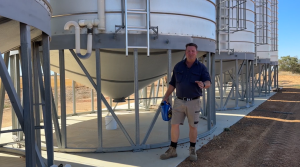
Grain storage specialist Ben White demonstrates how to select and maintain oil in pressure relief valves on sealable grain silos.
Bunker Storage – Information Resources
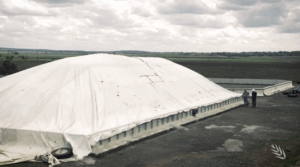
The stored grain extension team have put together some key resources on setting up and storing grain in bunkers. Rather than re-invent the wheel, useful information resources from commercial suppliers of bunker tarps and equipment has been included.
Making the most of ageing silos
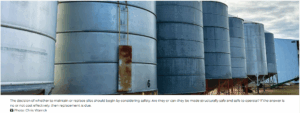
As silos age, growers face a crucial decision: repair, retrofit, or replace. The first step is always safety. Grain Storage Specialist Chris Warrick advises that growers begin by checking whether the silo is structurally sound. Cracked or tilted bases, rust on critical joints, or weakened bolts and sheets can all compromise safety and increase the risk of collapse. Faulty hatches, ladders, and access points also need to be addressed to protect workers.
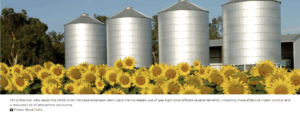
Correct storage edging towards the norm
Australian growers are steadily lifting the standard of on-farm grain storage. In the past 15 years, average capacity has almost tripled – from about 850 tonnes in 2009 to more than 2450 tonnes in 2024. This growth reflects the importance of storage as part of the farming business model: capturing market premiums, smoothing harvest logistics, and safeguarding grain quality.
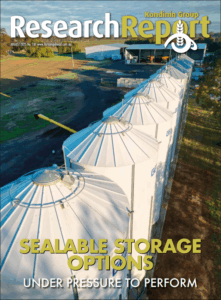
Kondinin Group Sealable Storage Report
The latest Kondinin Group sealable storage report is here! Building on the 2022 review of grain silos, this updated report provides fresh insights, performance comparisons, and practical guidance for growers considering on-farm storage options.
The new findings highlight key changes in silo performance, sealing effectiveness, and best-practice recommendations to help growers make informed decisions when investing in grain storage infrastructure.

Storage Alleviates Logistical Choking Points
On-farm grain storage is playing an increasingly important role in cropping and other grain-related businesses. Q&A with Growers Tristan Nitschke, Andy Tucker and Brewer Drew Hennessy.

From Paddock to Pin
The journey from grain paddock to a pint of beer involves careful management at every stage to maintain quality and meet brewing standards. GRDC’s article, From Paddock to Pint, explores the critical steps in the grain supply chain that ensure high-quality barley for brewing. From optimal growing practices to specialized storage and handling, each phase is essential in delivering a premium product for the beer industry. This article highlights the close collaboration between grain growers and brewers, emphasizing how quality control from farm to brewery impacts the final product.
Discover the process that brings barley from the paddock to your pint.

Grain Storage Keeps Harvest Operations on a Roll
Optimizing grain storage is essential for smooth and efficient harvest operations. In GRDC’s article, Grain Storage Keeps Harvest Operations on a Roll, learn how strategic storage solutions can support seamless harvests and protect grain quality. Adequate on-farm storage allows for continuous harvesting without delays caused by transport or delivery bottlenecks. Proper storage conditions help maintain grain quality, ensuring that crops remain market-ready. Additionally, storing grain on-farm gives growers flexibility in choosing optimal selling times, maximizing profit potential.
Explore how effective grain storage can keep your harvest operations running smoothly.

GRDC Grains Research Update Online – Pre-Harvest Grain Storage Health Check
Pre-harvest grain storage health check – Chris Warrick, Primary Business.
With harvest looming this livestream will address timely factors that will impact your grain storage outcomes. Preventing issues is always better than dealing with them and the loss they cause. Topics will include high impact hygiene, this year’s protectant choices and application, retrofitting and utilising aeration cooling.