
Research tested (GRDC Groundcover)
Two GRDC GroundCover articles exploring the importance of sealed grain storage systems and research investigating grain storage performance, pest management, and effective storage practices.

Two GRDC GroundCover articles exploring the importance of sealed grain storage systems and research investigating grain storage performance, pest management, and effective storage practices.

Explore the latest grain storage research, fumigation practices, aeration systems, and on-farm storage innovations featured in the GroundCover Supplement: Grain Storage (Issue 156, Jan–Feb 2022). This edition highlights practical strategies helping Australian growers protect grain quality, manage phosphine resistance, improve storage efficiency, and maximise long-term profitability.
A webinar on monitoring grain in storage from insect detection and identification to temperature and moisture.
Philip Burrill provides some tips on identifying grain storage pests using the GRDC Back Pocket Guide to Stored Grain Pests Stored Grain Pests Identification –

Source Link GRDC Key points Grain is most likely to be infested by beetles from your storage facility Effective hygiene can delay infestation for at
Its not always easy to tell the difference between types of damaging stored grain pests. Mark Stanaway from the Queensland University of Technology can show

Explore the GroundCover Supplement: Grain Storage (Issue 119, Nov–Dec 2015), featuring the latest research, grower case studies, and practical strategies for on-farm grain storage. Topics include phosphine resistance, aeration cooling, nitrogen storage technology, grain hygiene, and tools helping growers improve grain quality and profitability.

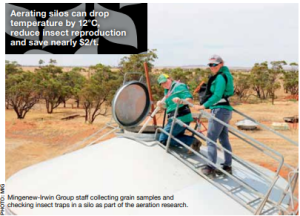
This GRDC GroundCover feature brings together two articles exploring the benefits of aeration cooling in grain storage, including solar-powered aeration systems and research showing how cooler grain temperatures can reduce insect pressure and help slow phosphine resistance development.

Three species of flat grain beetles (Cryptolestes spp.) occur in stored grain in Australia. Adults are fast moving, small (2mm), flat, with longer antennae than

For more than 40 years Phosphine has been a safe and reliable means of controlling grain storage insects. Over 80% of stored grain is treated