
Grain Aeration
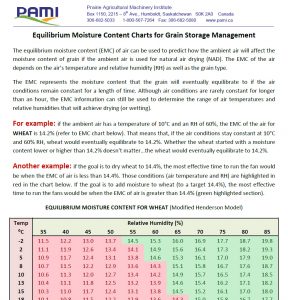
Equilibrium tables for wheat and sorghum
Wheat Equilibrium moisture content Sorghum Equilibrium moisture content

Wheat Equilibrium moisture content Sorghum Equilibrium moisture content

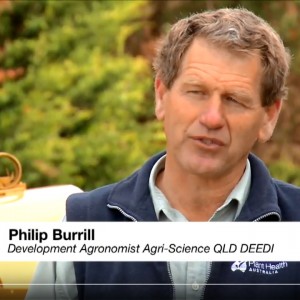
Philip Burrill highlights the reasons why monitoring stored grain temperature is important, and how it can be done. Aeration cooling for pest control
Discover the considerations with aeration for cooling or for drying.
Source Link GRDC Author: Philip Burrill, DAF Qld. Take home message Seek advice to ensure the right size aeration fans and associated equipment are fitted

Explore the GroundCover Supplement: Grain Storage (Issue 119, Nov–Dec 2015), featuring the latest research, grower case studies, and practical strategies for on-farm grain storage. Topics include phosphine resistance, aeration cooling, nitrogen storage technology, grain hygiene, and tools helping growers improve grain quality and profitability.
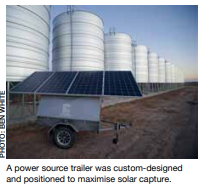
Independent engineers and grain storage specialists have demonstrated that the sun’s energy can be harnessed to keep silos that are located away from a mains power supply cool and insect-free. Tests in a 75-tonne silo at Wyalkatchem, Western Australia, 200 kilometres northeast of Perth, by independent engineers. Ben White and Josh Giumelli and grain storage specialists Chris Warrick and Peter Botta showed it is possible to build an energy-efficient, solarpowered. aeration-cooling system.

Grain Storage Fact Sheet February 2015 Results of aeration trials supported by the Australian Oilseed Federation Oilseed Development Fund and the Australian Sunflower Association as
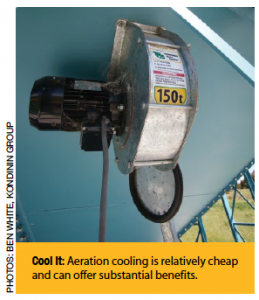
Grain aeration provides growers with a powerful tool to maintain grain quality during harvest and storage. Aeration cooling may not eliminate the need for chemical