Insect Control
Strategy to Manage Resistance to Grain Protection Chemicals in the Australian Grain Industry – June 2017
An initiative of the National Working Party on Grain Protection June 2017 Download PDF

An initiative of the National Working Party on Grain Protection June 2017 Download PDF
Introduction Carbon dioxide is an alternative insect pest control option to the most commonly used fumigant, phosphine. Driven largely by market request for ‘organic grain’
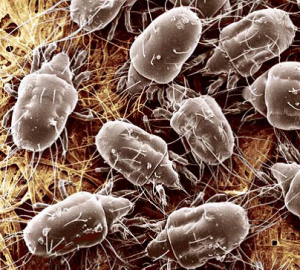
Authors: Dr Manoj Nayak, DAF, Ecosciences Precinct, Dutton Park Brisbane Download PDF Introduction Mites are common pests in grain storages and mostly occur in damp
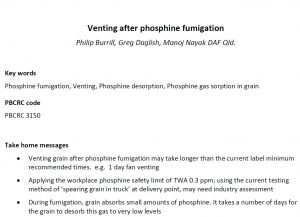
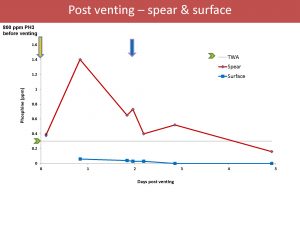
Download PDF Philip Burrill, Greg Daglish, Manoj Nayak DAF Qld. PBCRC code: PBCRC 3150 Take home messages • Venting grain after phosphine fumigation may take
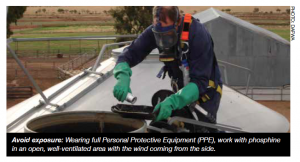
In order to kill grain pests at all stages of their life cycle (egg, larva, pupa, adult), phosphine gas needs to reach, and be maintained
Source Link GRDC Author: Greg Daglish, Queensland Department of Agriculture and Fisheries Take home message A pilot study in southern Queensland demonstrated that combining the
Source link GRDC Author: Andrew Ridley, Philip Burrill and Pat Collins, Queensland Department of Agriculture and Fisheries Take home message Results of trial fumigations conducted
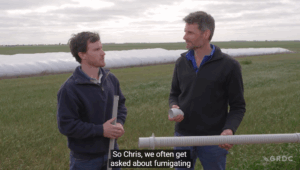
Two methods for fumigating and venting grain bags with phosphine have been trialed. While passively venting a grain bag is possible, it takes significantly longer