Grain Storage Facilities
Best results for bags and bunkers
Grain storage specialist Chris Warrick presents a webinar on best practice for bag and bunker storage

Grain storage specialist Chris Warrick presents a webinar on best practice for bag and bunker storage
Grain storage specialist Chris Warrick presents a webinar on upgrades to silos to make best management possible, safer and easier.
A webinar on high impact tips for effective hygiene and structural treatments for grain storages and farming equipment.
Grain storage specialist Chris Warrick presents a webinar on how hygiene and structural treatments prevent pest problems.
Grain storage specialist Chris Warrick explains the key points to planning for storage in this 30 minute webinar.
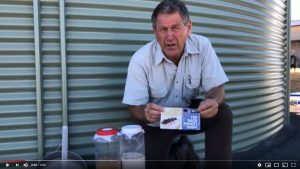
Philip Burrill provides some tips on identifying grain storage pests using the GRDC Back Pocket Guide to Stored Grain Pests Stored Grain Pests Identification –
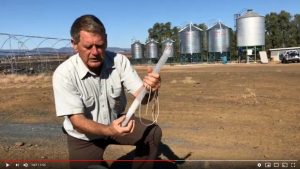
Philip Burrill explains how to use probe traps to monitor for stored grain pests. Vigilant Monitoring Protects Grain Assets
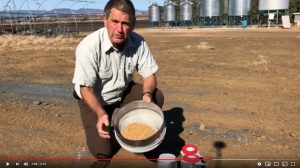
Philip Burrill demonstrates how to monitor grain for pests using a seive. Vigilant Monitoring Protects Grain Assets
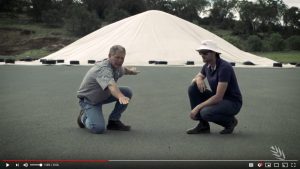
Philip Burrill explains how to setup for bunker storage. Grain storage – Temporary storage of grain, basic design principles, DPI&F, note
Philip Burrill outlines the considerations for expanding on-farm grain storage Grain storage facilities: Planning for Efficiency and Quality