Grain Hygiene & Structural Treatments
Tips on grain storage hygiene
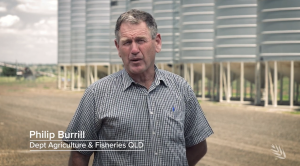
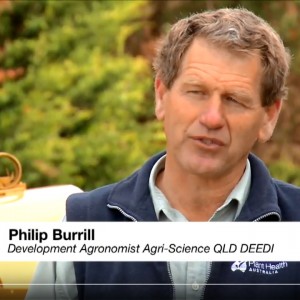
Philip Burrill explains the fundamentals of good grain storage hygiene Hygiene & Structural Treatments for Grain Storage

Philip Burrill explains the fundamentals of good grain storage hygiene Hygiene & Structural Treatments for Grain Storage
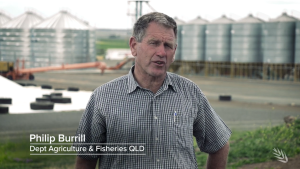
Philip Burrill presents a short video on the key features of reliable bunker storage.
A short video on high impact tips for effective hygiene and structural treatments for grain storages.
Considerations for expanding on-farm grain storage facilities
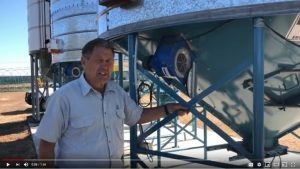
Philip Burrill demonstrates how to pressurise a silo to perform a pressure test. Pressure testing sealable silos
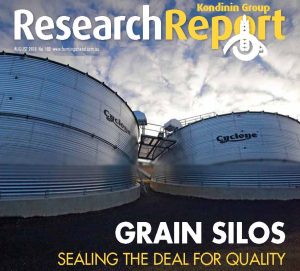
An extensive report evaluating each silo brands features and ability to meet the Australian Standard 2628 for gas-tight sealing required for successful fumigation. Kondinin Group
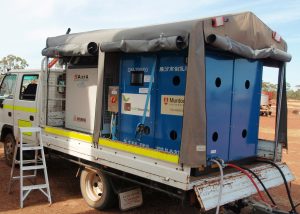
Equipment requirements: Requires a gas-tight sealed silo – meeting Australian standard AS2628 being a five minute half-life pressure-test. Nitrogen generators are required to produce 99%

Australia’s reputation as a supplier of high quality, clean grain can quickly be destroyed if unregistered or off label chemicals are used in grain or
Discover the considerations with aeration for cooling or for drying.